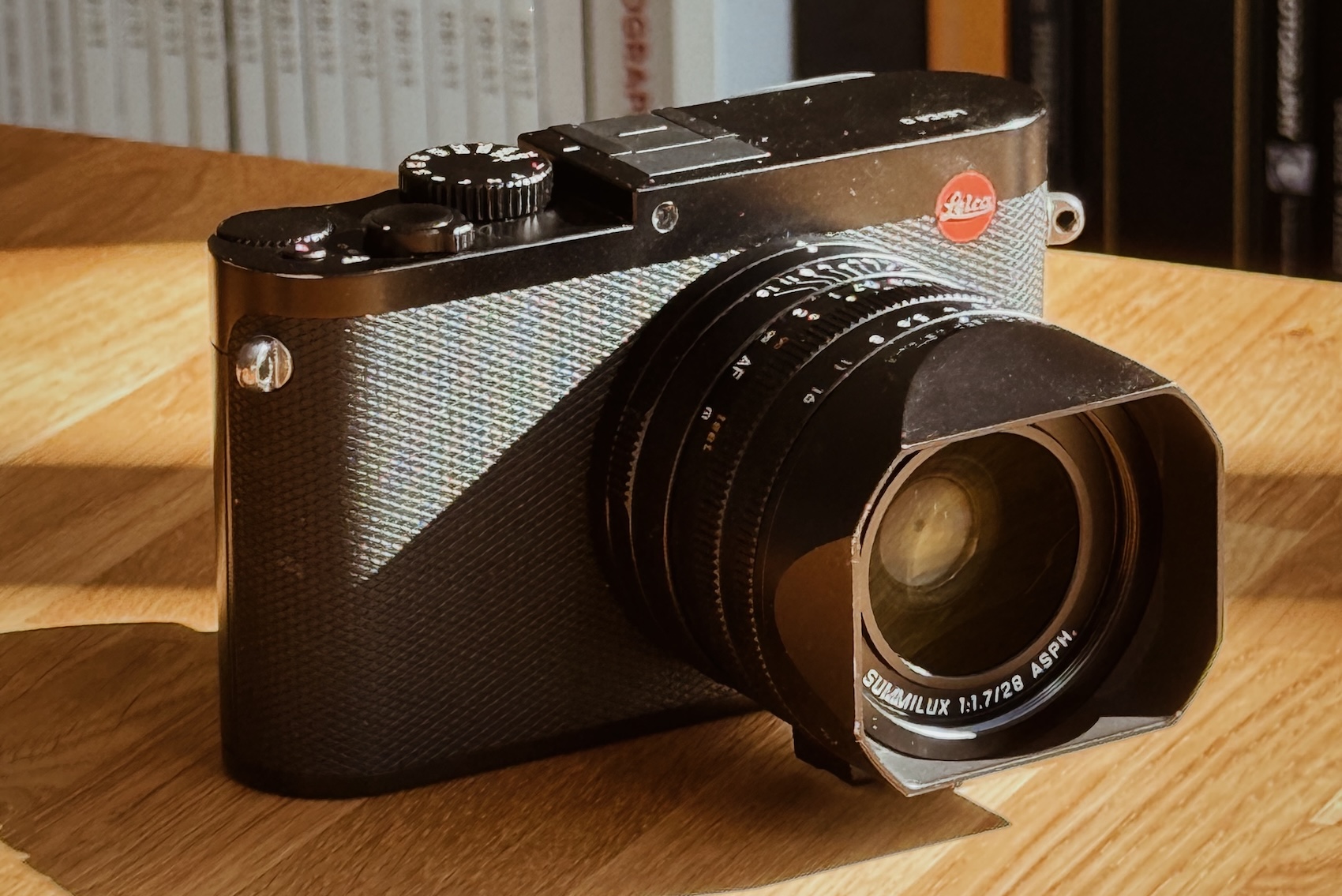
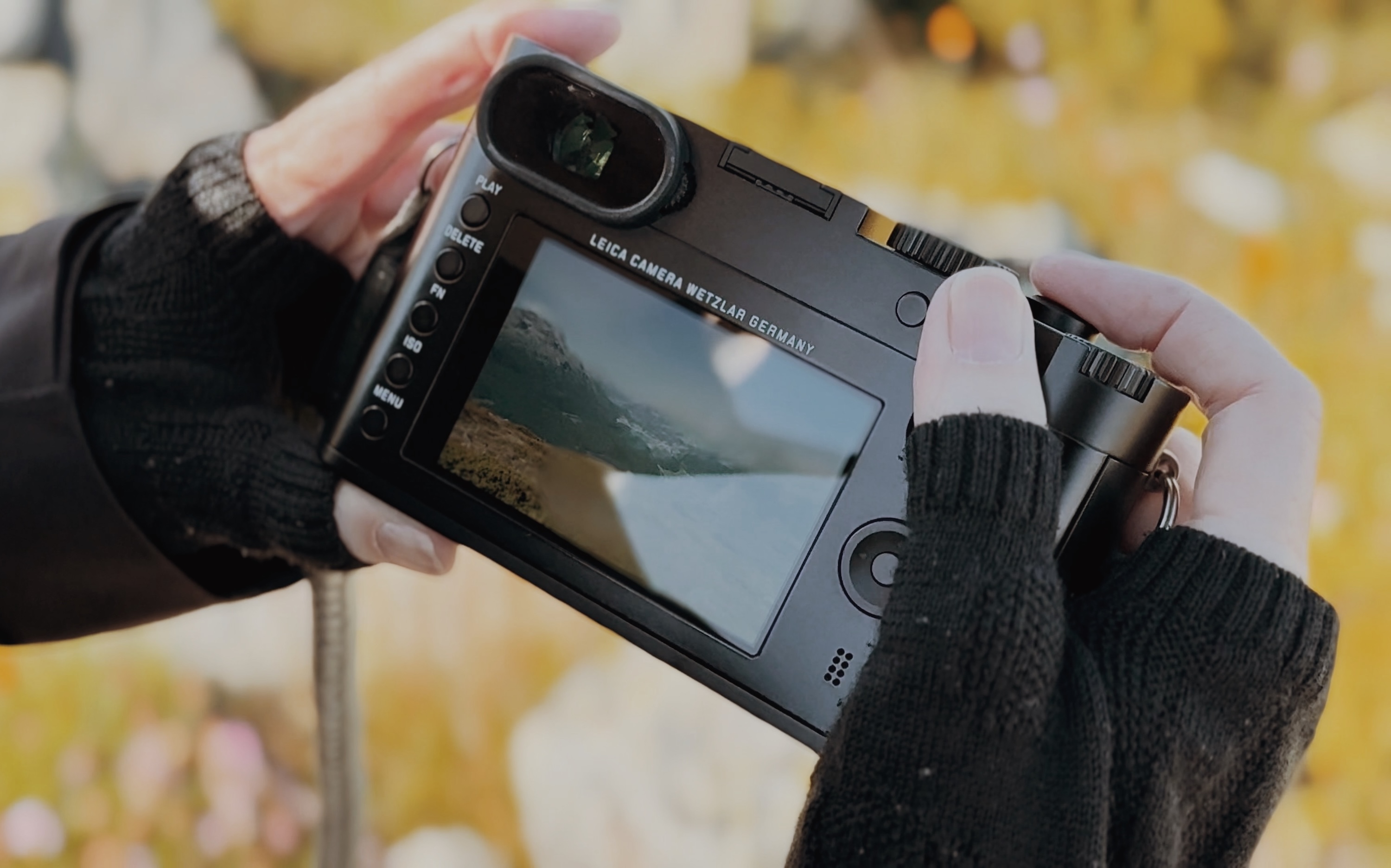
The Leica Q is a compact full-frame camera built around a fixed 28mm f/1.7 lens. The Q, Q2 and Q3 share the same basic approach, but differ in resolution, autofocus, weather protection and handling.
The Leica Q series represents one of the most compelling digital camera lines ever produced by Leica. Combining a full-frame sensor with a fixed 28mm f/1.7 Summilux lens, each model offers a refined shooting experience with minimal compromise. From the original Leica Q (Typ 116) through to the latest Leica Q3, the series has evolved significantly in resolution, autofocus, and video capability.
All three cameras share the same core philosophy, a fast 28mm lens, full-frame sensor, and a minimalist control layout. However, the differences between generations are meaningful, particularly in resolution, usability, and modern features.
Comparison
Leica Q (Typ 116): The original
The original Leica Q remains one of the purest expressions of the concept. Its 24 megapixel sensor is more than sufficient for most uses, and many photographers still prefer its rendering and file sizes. The camera is fast, responsive, and simple to use. Its limitations are clear by modern standards. Autofocus is contrast-based and there is no weather sealing. Even so, it remains a highly capable everyday camera, especially at current used prices.
Leica Q2: The sweet spot
The Leica Q2 represents a significant step forward. The jump to a 47 megapixel sensor allows for much more flexible cropping, effectively extending the usability of the fixed 28mm lens. The addition of weather sealing also makes it far more practical for travel and outdoor use. While autofocus remains contrast-based, it is refined and reliable. For many users, the Q2 strikes the best balance between performance, image quality, and cost, making it the most popular model in the series.
Leica Q3: The modern flagship
The Leica Q3 introduces the most substantial upgrades in the series. The 60 megapixel BSI sensor delivers exceptional detail and improved dynamic range, while the new Maestro IV processor enhances overall speed and responsiveness. The biggest real-world improvement is autofocus. The hybrid phase detection system makes the Q3 far more capable for moving subjects and general everyday shooting. The addition of a tilting screen also improves usability, especially for street and low-angle photography.
Conclusion
For many photographers, the Leica Q2 remains the sweet spot. However, if autofocus performance and resolution are priorities, the Leica Q3 is a clear step forward. The original Leica Q still holds its place as an affordable entry into the system, offering the same core shooting experience that defines the series.
Leica Q Core Model Comparison
Leica Q (Typ 116)
Leica Q2
Leica Q3
Sensor Resolution
24.2 MP CMOS
47.3 MP CMOS
60.3 MP BSI-CMOS
Image Processor
Maestro II
Maestro II
Maestro IV
ISO Range
100 – 50,000
50 – 50,000
50 – 100,000
Autofocus System
Contrast-Detect
Contrast-Detect
Phase Detection + Contrast
Video Resolution
Full HD (1080p)
4K / C4K
8K / 4K / C4K
Rear Display
3 inch Fixed Touchscreen
3 inch Fixed Touchscreen
3 inch Tiltable Touchscreen
EVF Resolution
3.68 MP LCOS
3.68 MP OLED
5.76 MP OLED
Weather Sealing
None
IP52 Rated
IP52 Rated
Digital Zoom Crops
35mm, 50mm
35, 50, 75mm
35, 50, 75, 90mm
Weight (with batt)
~640g
~734g
~743g
Leica Q Field Test
The Leica Q (Typ 116) has performed faultlessly since day one. Bought in 2018, it has outlasted a succession of other cameras and remains a constant companion for travel and field photography. Compact enough to carry everywhere, it stands up to poor weather with a little additional sealing courtesy of duct tape over the microphone and speaker holes.
Image quality remains excellent, while the build quality, interface and overall user experience feel years ahead of those offered by many Japanese manufacturers, even a decade after the camera's introduction.
A fixed 28mm lens brings obvious limitations. The search for a longer focal length has led to other cameras coming and going, but the Q's greatest advantage is that it is always close at hand. A camera left at home is of little use in the field.
The 28mm focal length is familiar from the standard camera on the iPhone, making it a natural choice for everyday photography as well as documentary work. The 24-megapixel files have proved sufficient for our books and magazines, with enough latitude for cropping without compromising their use in print. Higher resolution would provide more flexibility, but it has never been a prerequisite for producing the work we need. And, within reason, the best zoom is still the one made by moving closer to the subject.
Leica Q in the field
Cold weather is the main consideration when heading above the tree line. Battery life suffers in low temperatures, so carrying a couple of spares in a warm pocket is a sensible precaution. Beyond that, the Q requires little additional equipment to earn its place in the field.
The original investment in a professional tool has paid for itself many times over. For documentary photographers looking for a camera to keep rather than replace every few years, the Q remains easy to recommend.
Leica Q Models
The Q3 43 is listed in the chronology as a separate variant; unlike the core models compared above, it uses a 43mm lens.